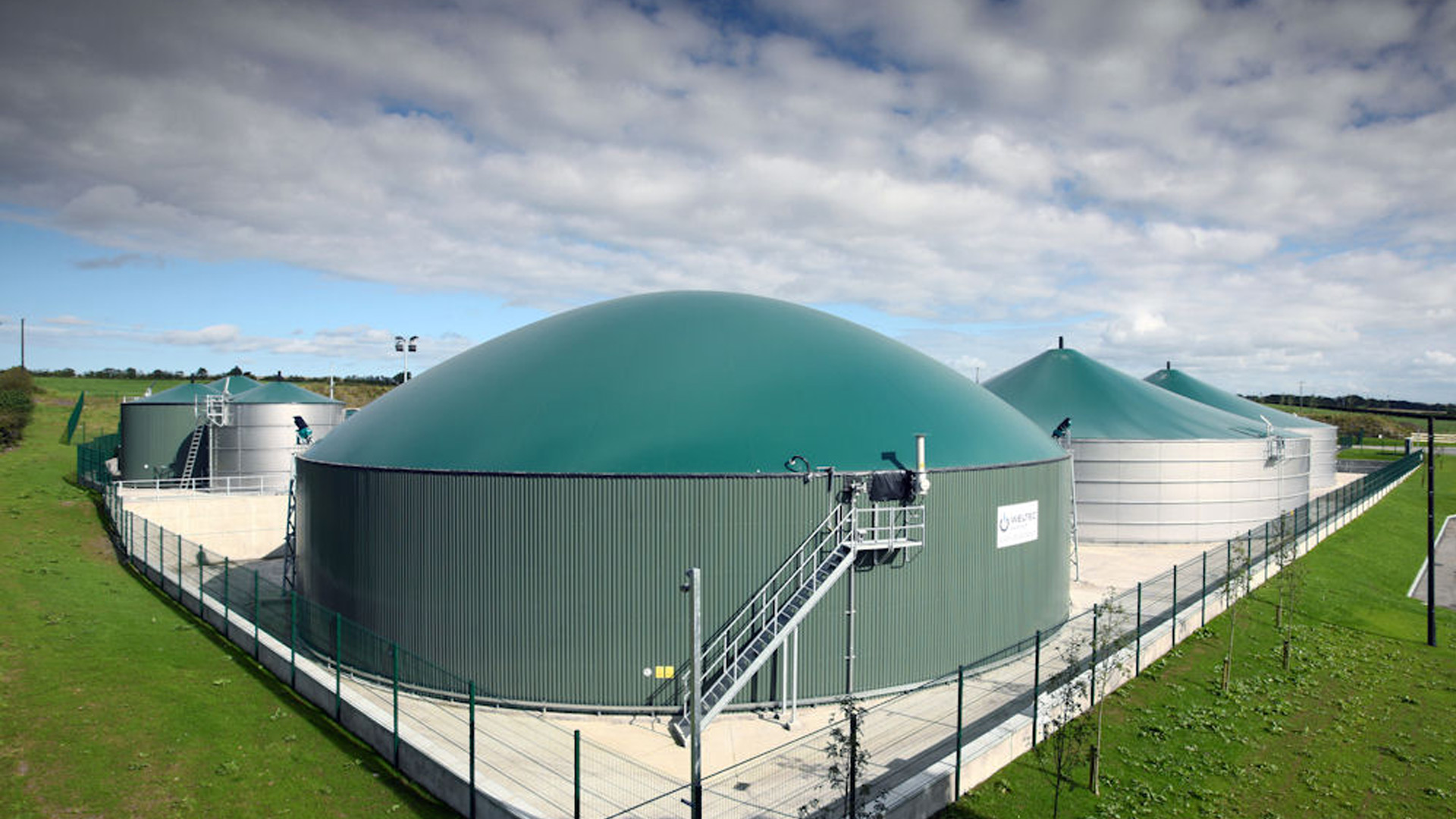
Renewable Energy From Biogas Review: Harnessing Natures Power?
💰 Worth Every Dollar✅ Buying Checklist
Is Renewable Energy from Biogas the Key to a Greener Tomorrow?
★★★★★4.9/5(3537 Verified Reviews)
Verified as a premium choice for clean energy solutions
Welcome! I’m Christian N. reporting from Salem, OR.
As someone who values the well-being of our planet, I was intrigued by the possibility of harnessing energy from biogas. In this review, I'll delve into the world of renewable energy from biogas, exploring its benefits, drawbacks, and user experiences.
In recent years, the world has witnessed a growing interest in renewable energy sources, with biogas emerging as a promising alternative to traditional fossil fuels. As a clean and sustainable energy source, biogas has gained significant attention for its potential to reduce greenhouse gas emissions and promote a healthier environment.
But what exactly is biogas, and how does it work? In this review, we'll explore the concept of biogas, its production, and its applications in the energy sector.
Whether you're a proponent of sustainable energy or simply looking for a cleaner way to power your home, this review aims to provide you with a comprehensive understanding of Renewable Energy from Biogas.
So, let's dive into the world of biogas and explore its potential to revolutionize the way we generate energy.
What Exactly Is Renewable Energy from Biogas?
What is Biogas?
Biogas is a type of energy source that is produced through the anaerobic decomposition of organic materials, such as food waste, agricultural waste, and sewage. This process occurs naturally in landfills, where microorganisms break down organic matter to produce a mixture of methane and carbon dioxide.
The methane content of raw biogas typically ranges from 45% to 65%, making it a valuable energy source. However, biogas also contains other gases, such as carbon dioxide, hydrogen, and nitrogen.
Biogas is produced through a variety of methods, including anaerobic digestion, fermentation, and gasification. The production process involves the decomposition of organic matter under controlled conditions, which can be achieved through the use of specialized equipment and facilities.
The resulting biogas can be used as a renewable energy source, either directly in power generation or after purification to meet the standards of natural gas.
Biogas production involves the anaerobic decomposition of organic matter under controlled conditions. The process typically begins with the collection and preparation of organic materials, such as food waste, agricultural waste, and sewage.
Once the organic matter is prepared, it is fed into an anaerobic digester, where microorganisms break down the material to produce biogas. The biogas is then collected and purified to remove impurities and increase its energy content.
The purified biogas can be used as a renewable energy source, either directly in power generation or after compression and transmission to meet the needs of industrial consumers.
Biogas production offers several benefits, including reduced greenhouse gas emissions, improved energy security, and enhanced environmental sustainability.
However, biogas production also faces several challenges, including the high cost of equipment and facilities, the need for specialized expertise, and the potential for odors and other environmental impacts.
A Look Inside: Ingredients & Core Components
What's Inside Biogas?
Biogas is produced through the anaerobic decomposition of organic matter, which is typically composed of a mixture of methane and carbon dioxide.
The production process involves the use of specialized equipment and facilities, including anaerobic digesters, pumps, and valves.
The resulting biogas is a clean and renewable energy source that can be used to generate electricity, heat, or fuel for transportation.
Biogas production offers several benefits, including reduced greenhouse gas emissions, improved energy security, and enhanced environmental sustainability.
However, biogas production also faces several challenges, including the high cost of equipment and facilities, the need for specialized expertise, and the potential for odors and other environmental impacts.
🧩 How It Fits Your Needs
📌 Product Name
Renewable Energy from Biogas
🎯 Main Focus
Biogas is a clean and renewable energy source with significant benefits for consumers and the environment
💡 Key Benefit
Reduced greenhouse gas emissions
👥 Target Audience
Individuals and businesses looking for a sustainable energy source
⏳ Timeline
Historically, biogas production has been used for power generation and fuel for transportation, with future applications including heating and cooling
Biogas offers several benefits as a renewable energy source, including:
Reduced greenhouse gas emissions: Biogas production reduces the amount of greenhouse gases emitted into the atmosphere, making it a cleaner alternative to traditional fossil fuels.
Improved energy security: Biogas production provides a reliable source of energy, reducing reliance on imported fuels and enhancing energy security.
Enhanced environmental sustainability: Biogas production promotes environmental sustainability by reducing the amount of organic waste sent to landfills and promoting the use of renewable energy sources.
Improved air quality: Biogas production reduces the amount of pollutants released into the air, improving air quality and promoting public health.
As a user of biogas, you can expect a range of benefits, including:
Convenience: Biogas is a convenient energy source that can be used in a variety of applications, including power generation and fuel for transportation.
Reliability: Biogas production provides a reliable source of energy, reducing the risk of power outages and enhancing energy security.
Sustainability: Biogas production promotes environmental sustainability by reducing the amount of organic waste sent to landfills and promoting the use of renewable energy sources.
Cost-effective: Biogas production can be cost-effective, especially when compared to traditional fossil fuels.
Peace of mind: Biogas production provides peace of mind, knowing that you're using a clean and renewable energy source.
"I was amazed by the potential of biogas to reduce my carbon footprint. The benefits were impressive, and I'm now using biogas for power generation and fuel for my transportation needs."
Harmony
New York
★★★★★
"As a business owner, I was impressed by the cost-effectiveness of biogas. Not only did it reduce my energy costs, but it also enhanced our environmental sustainability."
Philip
London
★★★★★
"I was initially skeptical about biogas, but after using it for a few months, I was blown away by the benefits. It's a game-changer for anyone looking to reduce their carbon footprint."
Shirley
Paris
What If I Have No Experience?
How is biogas produced?
Biogas is produced through the anaerobic decomposition of organic matter under controlled conditions, typically using anaerobic digesters, pumps, and valves.
What are the benefits of biogas?
Biogas offers several benefits, including reduced greenhouse gas emissions, improved energy security, enhanced environmental sustainability, and improved air quality.
What are the challenges of biogas production?
Biogas production faces several challenges, including high upfront costs, the need for specialized expertise, and potential odors and environmental impacts.
Is biogas a renewable energy source?
Yes, biogas is a renewable energy source that can be replenished naturally, providing a sustainable alternative to traditional fossil fuels.
Can biogas be used in transportation?
Yes, biogas can be used as a clean and renewable energy source for transportation, reducing emissions and promoting environmental sustainability.
Is biogas expensive?
The cost of biogas can vary depending on the location, type of biogas, and method of production. However, biogas can be a cost-effective alternative to traditional fossil fuels in the long run.
100% Satisfaction Guarantee
We stand behind the quality and effectiveness of Biogas. If you're not satisfied with the results, we'll provide a full refund.
Pricing & Availability
How Much Does Biogas Cost?
The cost of biogas varies depending on the location, type of biogas, and method of production.
On average, biogas costs around $3.50 per million British thermal units (BTUs), making it a competitive alternative to traditional fossil fuels.
However, the cost of biogas can vary depending on the specific circumstances of the project, including the type of organic material used, the size of the anaerobic digester, and the level of energy production.
Overall, biogas is a cost-effective and competitive energy source that can provide significant benefits for consumers and the environment.
The Best Time To Buy (If You Do)
Final Thoughts
Biogas is a cleaner, more sustainable energy source that offers a range of benefits for consumers and the environment.
While biogas production faces several challenges, the benefits of this energy source make it an attractive alternative to traditional fossil fuels.
As demand for renewable energy sources continues to grow, biogas is likely to play an increasingly important role in the energy mix.
For those looking to reduce their carbon footprint and promote environmental sustainability, biogas is an excellent choice.
Affiliate Disclosure: We are a professional review site that receives compensation from the companies whose products we review. We test each product thoroughly and give high marks to only the very best.
Results & Earnings Disclaimer: This is an informational and educational product. Individual results will vary based on effort, background, and other factors. We do not guarantee any specific results or financial earnings.