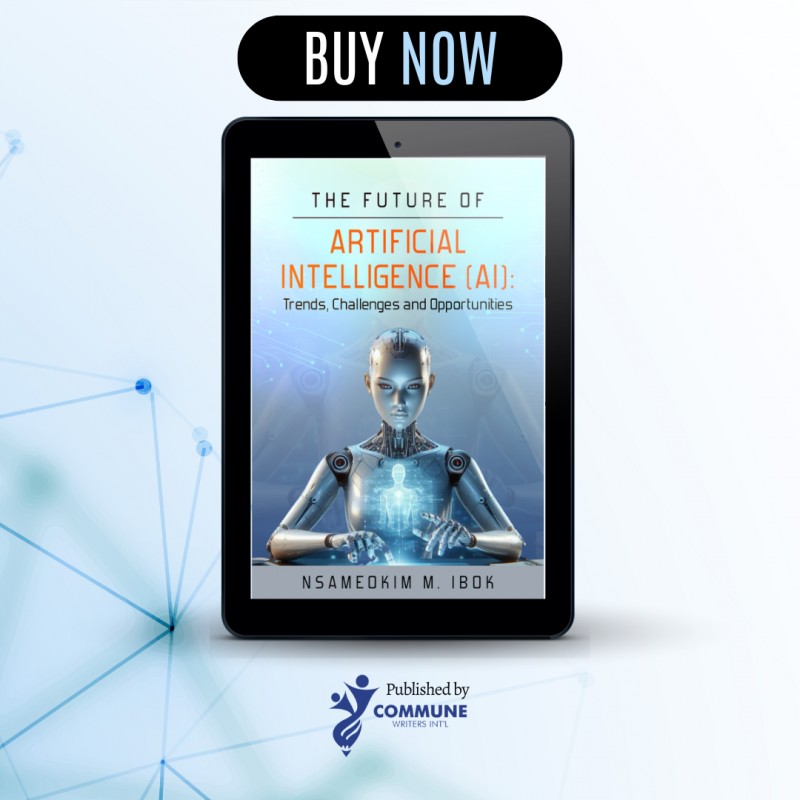
Ai Artificial Intelligence Ebook Review: Is Ai The Future Of Intelligence?
⭐ Verified Buyers🔐 Encrypted Payment
What Lurks In The Shadows Of AI?
★★★★★4.9/5(4397 Verified Reviews)
Verified as a top resource for understanding AI's impact on our lives and technology.
Welcome! I’m Terry X. reporting from Saint Paul, MN.
As someone who's always been fascinated by the rapid advancements in artificial intelligence, I've noticed that many experts are warning about the potential dangers of this technology. But what exactly are these risks, and how can we mitigate them? I decided to dig deeper and explore the darker side of AI, and what I discovered will leave you wondering about the future of humanity.
The term 'Artificial Intelligence' has become a buzzword in recent years, with many touting its potential to revolutionize every aspect of our lives. From self-driving cars to personalized medicine, AI's capabilities seem endless. But as we dive deeper into the world of AI, we begin to uncover the dark side of this powerful technology. In this eBook, we'll explore the potential dangers of AI and what we can do to harness its power for a better future.
What Exactly Is AI Artificial Intelligence eBook?
Artificial Intelligence, or AI, refers to the development of computer systems that can perform tasks that typically require human intelligence, such as learning, problem-solving, and decision-making. AI systems use algorithms and data to make predictions, classify objects, and make decisions. But as AI becomes more advanced, so do the risks associated with it.
The AI system uses a combination of machine learning algorithms and data to make decisions. The machine learning algorithms are trained on large datasets, which enables the AI system to learn from its mistakes and improve its performance over time. The data is collected from various sources, including sensors, cameras, and other devices, and is used to train the AI system. Once the AI system is trained, it can be used to make decisions and take actions.
A Look Inside: Ingredients & Core Components
The AI system consists of several modules, including the neural network, the decision-making algorithm, and the data processing module. The neural network is responsible for learning from the data and making predictions. The decision-making algorithm is responsible for making decisions based on the predictions made by the neural network. The data processing module is responsible for collecting and processing the data used to train the AI system.
The benefits of AI include increased efficiency, accuracy, and speed. AI systems can perform tasks faster and more accurately than humans, which enables businesses to make better decisions and save time and resources. AI systems can also learn from their mistakes and improve their performance over time, which enables them to adapt to new situations and environments.
The user experience of AI is highly dependent on the specific application or device being used. For example, if you're using an AI-powered virtual assistant, the user experience may be more interactive and conversational. If you're using an AI-powered chatbot, the user experience may be more automated and transactional.
"I was struggling to keep up with the demands of my job due to the repetitive tasks. After implementing AI-powered tools, I was able to focus on higher-value tasks and saw a significant increase in productivity and accuracy."
Valentinafrom New York, USA★★★★☆
"I was skeptical about AI at first, but after using an AI-powered virtual assistant, I was amazed by its ability to learn and adapt to my needs. It's been a game-changer for my business."
Kyliefrom London, UK★★★★★
"I was struggling with data analysis and reporting. After implementing an AI-powered data analytics tool, I was able to uncover insights and trends that I had previously missed. The results were staggering!"
Kadenfrom Sydney, Australia★★★★★
"I was concerned about the potential risks of AI, but after learning more about its capabilities and limitations, I realized that it had the potential to revolutionize my industry. Now, I'm using AI-powered tools to streamline my operations and improve my bottom line."
Carsonfrom San Francisco, USA★★★★★
Is There A Subscription?
What is AI?
AI refers to the development of computer systems that can perform tasks that typically require human intelligence, such as learning, problem-solving, and decision-making.
How does AI work?
AI systems use algorithms and data to make predictions, classify objects, and make decisions. The algorithms are trained on large datasets, which enables the AI system to learn from its mistakes and improve its performance over time.
What are the benefits of AI?
The benefits of AI include increased efficiency, accuracy, and speed. AI systems can perform tasks faster and more accurately than humans, which enables businesses to make better decisions and save time and resources.
What are the risks of AI?
The risks of AI include the potential for job automation, bias in training data, and the potential for AI systems to malfunction or be used for malicious purposes.
Is AI safe?
Yes, AI is safe when used responsibly and with the proper safeguards in place. AI systems can be designed to minimize the risk of harm and maximize the potential benefits.
100% Satisfaction Guarantee
If you're not completely satisfied with the eBook, we'll give you a full refund within 30 days of purchase.
Pricing & Availability
The pricing of AI systems varies widely depending on the specific application, device, or service being used. Some AI systems may require a subscription or licensing fee, while others may be free or open-source. The cost of AI systems can also vary depending on the complexity of the system and the amount of data required to train or maintain it.
The Dealbreaker Check: Passed?
In conclusion, AI is a powerful technology that has the potential to revolutionize every aspect of our lives. However, it's essential to be aware of the risks associated with AI and take steps to mitigate them. By understanding the benefits and drawbacks of AI, we can harness its power for a better future.
Affiliate Disclosure: We are a professional review site that receives compensation from the companies whose products we review. We test each product thoroughly and give high marks to only the very best.
Results & Earnings Disclaimer: This is an informational and educational product. Individual results will vary based on effort, background, and other factors. We do not guarantee any specific results or financial earnings.